
For most people, gambling is a fun, entertaining way to pass the time. It’s enjoyed occasionally, online or at a favorite casino.
Most people who gamble do so responsibly. They make a budget. They maintain their self-imposed spending limits. And they walk away from the slot or table game with no trouble.
But about 4 million to 6 million U.S. adults* (2% to 3% of the population) have mild or moderate gambling problems. Another 2 million (1% of adults) have severe gambling problems. In the worst cases, gambling can harm personal and professional relationships, and lead to financial ruin.
To enjoy gambling, online or at the casino, control your gambling. Don’t let your gambling control you.
Problem Gambling: Know the Signs
Win or lose, compulsive gamblers cannot resist the urge to gamble. This urge can be overwhelming. The gambler may feel the only way to relieve the urge is to gamble some more.
This leads to a vicious cycle. After a gambler loses, he may try to “chase his losses”—in other words, keep gambling in hopes of winning back the lost money.
In extreme cases, problem gambling can lead to financial and legal problems, loss of career and family, depression, and even suicide.
iGamingPlayer is committed to problem-gambling education and awareness. Read more at https://igamingplayer.com/know-the-signs-of-problem-gambling/.
Know the Signs of Problem Gambling
You may be a compulsive gambler if you exhibit four or more of the following behaviors during a 12-month period:
- You feel restless or irritable when you try to cut down or stop gambling
- You make repeated, unsuccessful efforts to control or quit your gambling habit
- You’re preoccupied with gambling (planning when you’ll gamble next, and thinking of how you can get money to gamble)
- You need more and more money to gamble. You take out loans or sell or pawn possessions to bankroll your habit. You borrow from friends or relatives. You may even resort to criminal behavior, such as theft or embezzlement
- You gamble when you feel helpless, guilty, anxious, or depressed
- You find yourself lying to hide your gambling
- You’ve lost a relationship, a job, or a career opportunity due to gambling
If you recognize the signs of problem gambling—in yourself or in a loved one—seek help. Remember, recognizing that you may have a gambling problem is the first step to finding a solution.
Twelve-step support groups like Gamblers Anonymous are free to join. Gam-Anon follows the abstinence model that originated with Alcoholics Anonymous.
Practice Responsible Gambling
Most adults can enjoy responsible gambling without problems. Next time you plan to gamble, keep these tips in mind:
- Make a budget. Decide in advance how much you want to bet, and stick to that amount.
- Keep an eye on the clock. Decide how long you plan to play, and take regular breaks. Set a timer on your cellphone to remind you when it’s time to walk away, grab a bite to eat, or chat with friends.
- Never gamble more than you can afford to lose. Gambling is not a way to make money or get back what you lost.
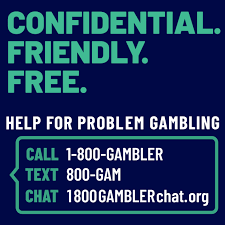
If gambling is getting between you, your loved ones, and your daily responsibilities, seek help. Start by calling 1-800-GAMBLER. Or visit the website of the National Council on Problem Gambling for information on treatment in your state: https://www.ncpgambling.org/help-treatment/help-by-state/
* Source: National Council on Problem Gambling