A few years ago, courts ruled that college athletes have the right to profit from their performance on the field and their popularity with fans, and it became known as NIL (Name, Image, Likeness). Here’s what it means.
NIL refers to players earning money from endorsements, appearances, camps, and other deals. It doesn’t directly determine on-field performance, but it can influence player motivation, their desire to stay in school, and roster changes.
Betting Bonus
NIL can affect betting angles in several ways:
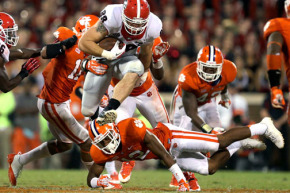
Player turnover and eligibility: Strong NIL deals can incentivize a player to stay in college, whereas transfer rumors or decisions to go pro may arise if NIL opportunities shift. This can impact team depth and quarterback/skill position stability.
Injury and workload risk: If a star player signs a large NIL deal or becomes a target for endorsements, it could affect practice time, motivation, or injury risk perception (though this is speculative).

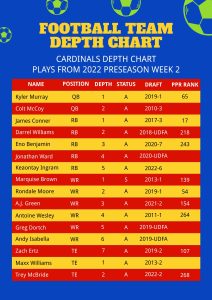
Depth chart changes: If backups receive big NIL money or transfer more readily, it can alter the likelihood of the primary players seeing reduced reps, affecting props and team performance.
Perceived value and coverage: High-NIL players often gain media attention, which can influence public betting sentiment and line moves, particularly for player props and team prop bets.
Practical Betting Angles
Player props: Touchdowns, rushing/receiving/passing yards, receptions, etc. NIL news can provide context for a player’s role and consistency, but don’t rely on NIL alone—use injury reports, depth charts, and recent performance.
Team performance props: Team win totals, conference standings, and margin-of-victory bets can be subtly impacted by roster stability and key NIL-driven decisions (e.g., a star QB returning vs transferring).

Postseason and transfer window timing: Monitor when transfers or re-commits are announced; sudden player exits or arrivals can materially shift a team’s ceiling.
Market sentiment vs. data: NIL attention can move public betting sentiment. Look for lines that move on NIL news and assess whether the move is value-driven or hype-driven.

How to Track NIL-Related Data
Dig deep into the NIL pool, check with reputable sports business and NIL-specific outlets (i.e., Sports Business Journal, The Athletic, On3, 247Sports NIL trackers). Keep an eye on school press releases, official NIL deal announcements, and, best of all, player social media. Try to keep track of transfer portal activity and roster announcements in real time, but be cautious of incomplete or questionable NIL reports; make sure you correlate news with on-field metrics.
Risks and Cautions
NIL is not predictive of performance. Remember, these are athletes in their teens or early 20s, so many variables drive game outcomes.
Be aware of data quality and timing. NIL news can be filled with rumors or lag behind on-field outcomes.

And there are always legal and integrity considerations with these young athletes. Different sportsbooks have varying policies on college player props and NIL-related disclosures, so ensure you’re following local laws and sportsbook rules.
Don’t overweight NIL headlines at the expense of core stats like injuries, depth charts, and recent performance.

Practical Steps For Bettors
Set up alerts for NIL news on key players and teams you bet on.
Track which NIL deals are public (size and timing), but don’t assume a direct cause-and-effect with performance.
Focus on the fundamentals first (injuries, schedule difficulty, pace of play) and use NIL context as a supplementary factor.
Manage risk with stakes and units appropriate to the volatility of NIL-driven contexts.
21+. Gambling Problem? Call 1-800-GAMBLER