
July proved lucrative for the Indiana sports betting market, rising 138 percent to $70.9 million, based on Indiana Gaming Commission figures. In June, sportsbooks took in $29.8 million.
Credit the return of Major League Baseball and the NBA for the July success and expect higher results in August. Still, the numbers pale from the pre-coronavirus total of $187.2 million in handle in February.
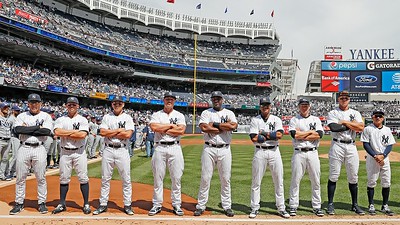
For July, baseball bets exceeded $14.5 million, tops of any sport, followed by almost $6 million in basketball wagers, according to the Cincinnati Business Courier.
“July’s staggering increase in handle tells us that betting activity in Indiana is on the path to returning to pre-pandemic levels,” said Max Bichsel, Gambling.com Group’s vice president of U.S. business. Sports betting would likely reach pre-pandemic levels in September if football returns, he said.
Indiana sports betting generated $633,000 in tax revenue in July. That’s based on $6.7 million in adjusted gross revenue, representing the amount casinos win after paying out gamblers’ winnings. Hollywood Lawrenceburg was responsible for $43,000 of that revenue while Belterra generated $39,000.
The overwhelming amount of bets—$65 million—relied on mobile gambling. But Hollywood Lawrenceburg raked in $2.7 million in sports bets at its sportsbook, but only $1.1 million through mobile means.