When a bettor makes a wager on which baseball team will win a game, the odds won’t change between then and game time. It’s known as fixed-odds wagering.
But go to a racetrack and the system differs. With pari-mutuel wagering, the odds—set by the track—can vary, sometimes dramatically, between the time the bettor makes the wager and when the race goes off.
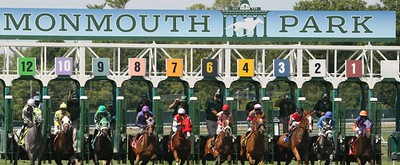
That could change if the New Jersey Racing Commission approves fixed-odds betting at Monmouth Park in Oceanport. If approved, it would be the first in the country to go that route, and it could mean more revenue.
Take The Haskell, Monmouth’s highlight race which ran July 18. Authentic carried 4:5 odds on the morning line. But so many bettors placed wagers on the favorite, the line slipped to 3:5 by race time.
Australia-based BetMakers Technology Group signed a five year deal with Dennis Drazin, owner and operator of Monmouth Park, to provide fixed-odds racing if approved.
Bill Pascrell III, trustee at GVC Foundation US and a leading expert on online gaming, lottery and sports betting, told Legal Sports Report it’s not a question of if, but when.
Australia has run with fixed-odds betting for 10 years and the results speak for themselves, according to ROI NJ. In a country of 24.6 million, people bet $25 billion on horse racing annually, with 84 percent fixed-odds wagers. The U.S., with a population of 330 million people, bets about $11 billion none through fixed-odds.