Could a sports betting deal finally be pending between the Ohio House and Senate?
The primary difference between the branches concerns regulation of sports betting. The House favors the Ohio Lottery Commission; the Senate, the Casino Control Commission.
There are other differences, too. The House bill would legalize sports betting at the state’s four casinos, at seven horse racing tracks, and online via mobile apps and kiosks at fraternal and veterans’ organizations with full liquor licenses. The bill directs 10 percent of gross betting receipts to education, with a small portion funding gambling treatment and prevention.
The Senate version allows for sports betting at casinos, tracks, mobile apps and online and does not specify where 6.25 percent would go.
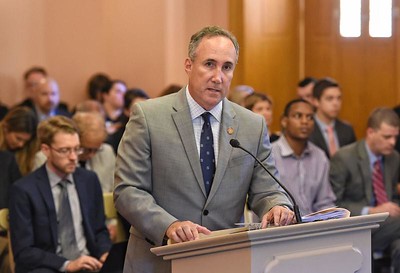
Rep. Dave Greenspan, a House sponsor, said estimates show sports betting would raise about $15 million in taxes the first year and around $50 million annually after that.
Governor Mike DeWine seems to favor the Senate version, according to the Associated Press.
Greenspan said the nonpartisan Ohio Legislative Service Commission indicated the only way the bill gets past constitutional issues is through the Lottery Commission.
“Absolutely, we’ll be able to come to a resolution on this,” Greenspan said. “We just haven’t had an opportunity to have a robust discussion with the Senate yet. We’ve got to get this done and up and operating.”
The Senate sponsor, John Eklund, remains hopeful a deal can be hammered out this year.