
Pennsylvania iGaming Licensees Mull Blackjack Rules

Pennsylvania online gaming operators will have to make a special request to the gaming board to tighten the rules for online blackjack from the player-friendly live version.

As Pennsylvania casinos and their platform partners prepare to launch online gaming in the state, some are questioning whether or not the same rules will apply for online table games as apply to live blackjack in the state.

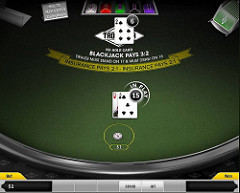
Pennsylvania’s gaming regulations for live blackjack are player-friendly, paying 3:2 for blackjack and allowing late surrender. That puts the theoretical house edge around 1 percent with optimal strategy. Many casinos in the U.S., particularly on the Las Vegas Strip, have moved to 6:5 blackjack.

According to the Pennsylvania Gaming Control Board, online gaming software needs to comply with those blackjack rules, unless a special request is made to review software that tightens the rules. In response to a question from the Play Pennsylvania news site, gaming board spokesman Doug Harbach said:

“The rules running within the software will be fine when they match our existing table-games rules for the casinos. Anything different from those rules would need to be reviewed individually, and the software changes approved by the gaming lab.”

Recent Articles

History Playbook

On This Day In Sports History

On September 21, 1992, Bill Brennan, a 34-year-old sportsbook cashier at the iconic Stardust Resort and Casino in Las Vegas, walked out of the casino during his lunch break carrying $500,000 in cash and chips inside a leather bag. He walked past security without drawing attention and vanished without a trace, making it one of the most famous unsolved casino robberies in Las Vegas history.

On This Day In Sports History

On September 20, 2011, the U.S. Department of Justice expanded its Black Friday crackdown by amending a civil complaint against Full Tilt Poker, alleging the company defrauded players out of more than $300 million. The DOJ officially called Full Tilt Poker a "global Ponzi scheme," alleging over $300M in player funds were mismanaged. The fallout fundamentally altered online gaming regulation and player protection standards forever.