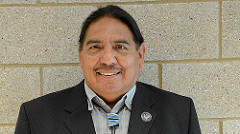
The gravy train is over for New York state, says Todd Gates, the recently elected president of the Seneca Nation. For the past 14 years, the tribe has paid in excess of $1.4 billion to the state under the terms of a gaming compact negotiated in 2002. It won’t expire until 2023, but Gates says the tribe can stop payments immediately.
“This is not new,” Gates told the AP. “The language of the compact has not changed. We’re following the language of the compact as we always have.”
The compact was to run for 14 years with one seven year renewal, when Gates contends the revenue sharing was to end.
That’s not what the state understands.
“It’s clear this payment structure remains in place,” Cuomo spokesman Rich Azzopardi said. “If the new leadership of the nation has questions, or a different interpretation of this, they haven’t shared them with us, but we’re willing to meet and discuss any issues.” He contends that the two sides signed a memo that settled an earlier dispute setting up revenue sharing for the entire 21 years.
This doesn’t mean, however, that the tribe will not continue payments to the host communities, but wants to negotiate new deals with them. Gates says the final payment of $30 million will be made at the end of March.
Niagara Falls Mayor Paul Dyster said the state has told him that the Senecas must continue to make payments. He says has received assurances, “that any assertions to the contrary are categorically incorrect.”